


Why Employee Benefits Matter More Than Ever
The Changing Expectations of the Modern Workforce
Today’s employees expect more than just a salary. They seek security, health support, and long-term stability. Employee benefits play a critical role in attracting and retaining skilled professionals, especially in competitive job markets.
Understanding Employee Benefits

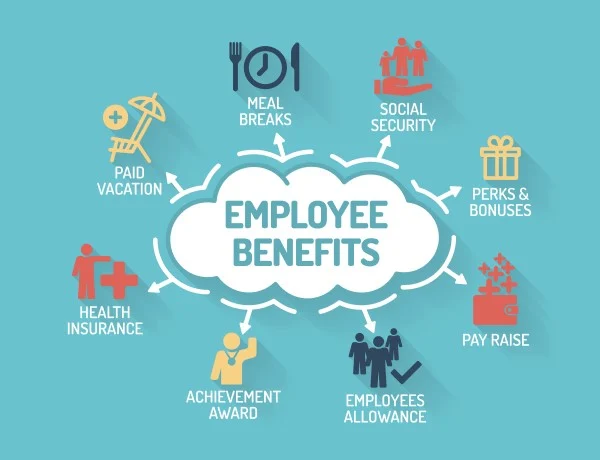
Employee benefits include health insurance, life cover, accident protection, wellness programs, and financial security plans provided by employers. These benefits help employees feel valued and protected.
Why Benefits Go Beyond Compensation
A strong benefits package directly impacts morale, productivity, and loyalty. Employees who feel secure are more focused and engaged at work.
Business Advantages of Offering Employee Benefits
Organizations that invest in benefits often experience lower attrition rates, improved employer branding, and reduced absenteeism. Benefits also help companies comply with statutory requirements.
The Role of Insurance in Employee Benefits
Insurance-backed benefits such as group health, group term life, and personal accident coverage provide structured and reliable protection for employees and their families.
Conclusion
In a rapidly evolving workplace, employee benefits are no longer optional—they are essential. Businesses that prioritize employee wellbeing through comprehensive benefits create a healthier, more productive, and future-ready workforce.
Hi, this is a comment.
To get started with moderating, editing, and deleting comments, please visit the Comments screen in the dashboard.
Commenter avatars come from Gravatar.