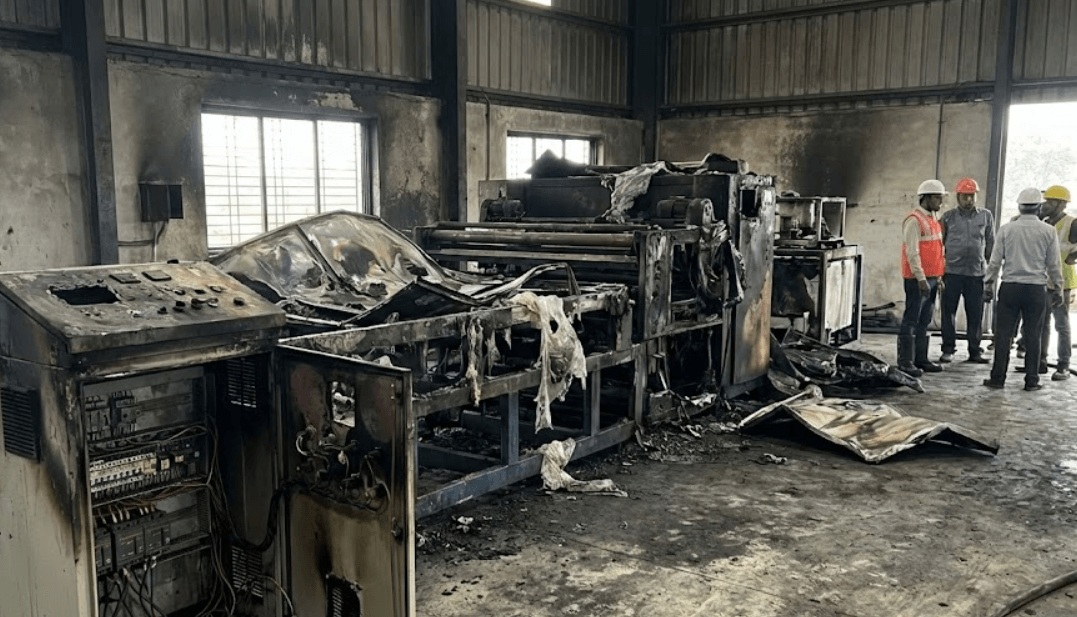
For businesses involved in trade and logistics, the movement of goods across India’s vast and varied terrain is a daily gamble. While Marine Transit Insurance is designed to cover these risks, a significant number of claims are rejected annually under the vague exclusion of “Insufficient or Improper Packing.” Insurers often argue that if goods arrive damaged, the packaging must have been faulty, shifting the blame—and the financial loss—back onto the business owner.
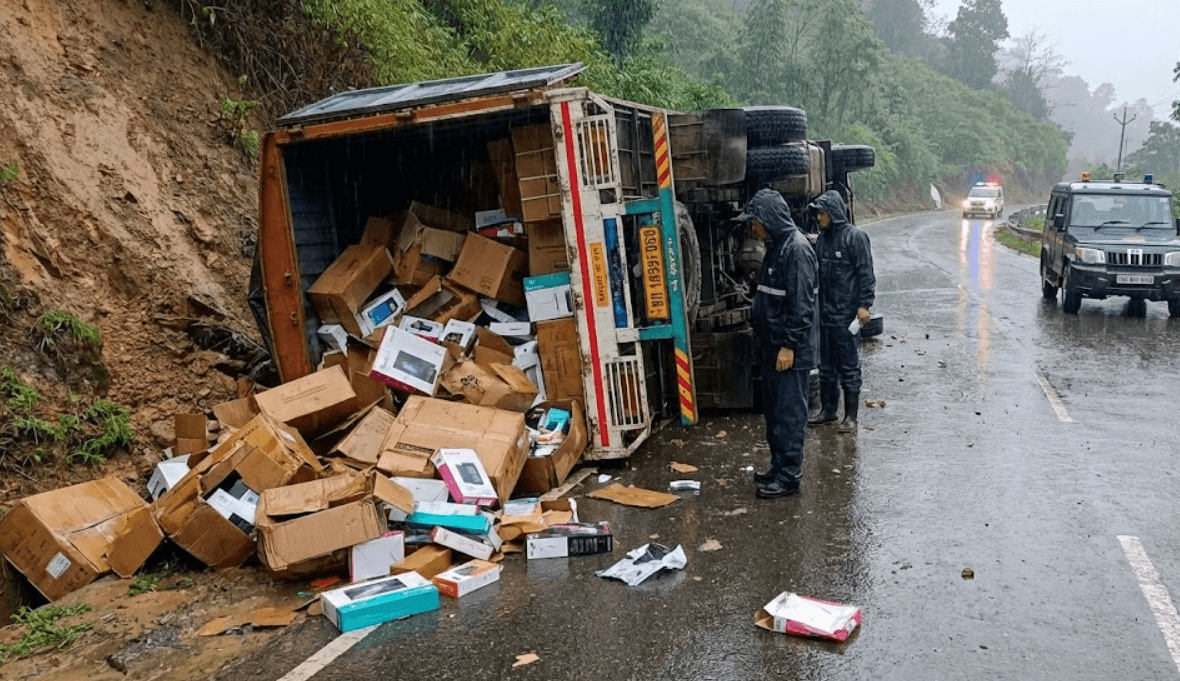
A rapidly growing distributor of consumer electronics based in Delhi faced this precise nightmare. They had dispatched a high-value consignment of LED panels and home theatre systems to a retailer in the Northeast. The shipment was worth approximately ₹85 Lakhs.
While navigating a steep gradient in a heavy monsoon, the transport vehicle skidded and overturned. The goods were severely damaged by the impact and subsequent water ingress. The client filed an immediate claim, confident in their “All Risk” Marine Policy.
However, the insurance company repudiated (rejected) the claim entirely. Their argument was technical: they claimed the cardboard cartons used were “standard retail packaging” and not robust enough for long-haul inter-state transport. They cited the “Improper Packing” exclusion, stating that the client should have used wooden crating for such a journey.
The client was facing a total loss of ₹85 Lakhs, a hit that would have wiped out their quarterly profits. They turned to Disha Insurance for a rescue strategy.
We approached the problem with a two-pronged technical defense:
After weeks of intense negotiation and technical representations by our team, the insurer conceded. They acknowledged that the accident was the dominant cause of damage.
This victory did more than just recover money. It reinstated the client’s faith in the insurance mechanism. At Disha Insurance, we understand that in the fine print of a policy often lies the difference between a write-off and a recovery. We ensure that technicalities are never used to deny a genuine business loss.
Discover our comprehensive insurance services designed to protect, empower,
and simplify coverage for businesses and individuals.
Explore related case studies showcasing real results, proven strategies, and success stories to inspire smarter business decisions and growth.